Sadly, if you type “are rei” into Google the top suggestion is “are reindeer real?”
They are very much real and not just mythical animals. Disappointingly they don’t all fly, but they are fascinating animals with some incredible adaptations allowing them to live in one of the harshest environments on earth.
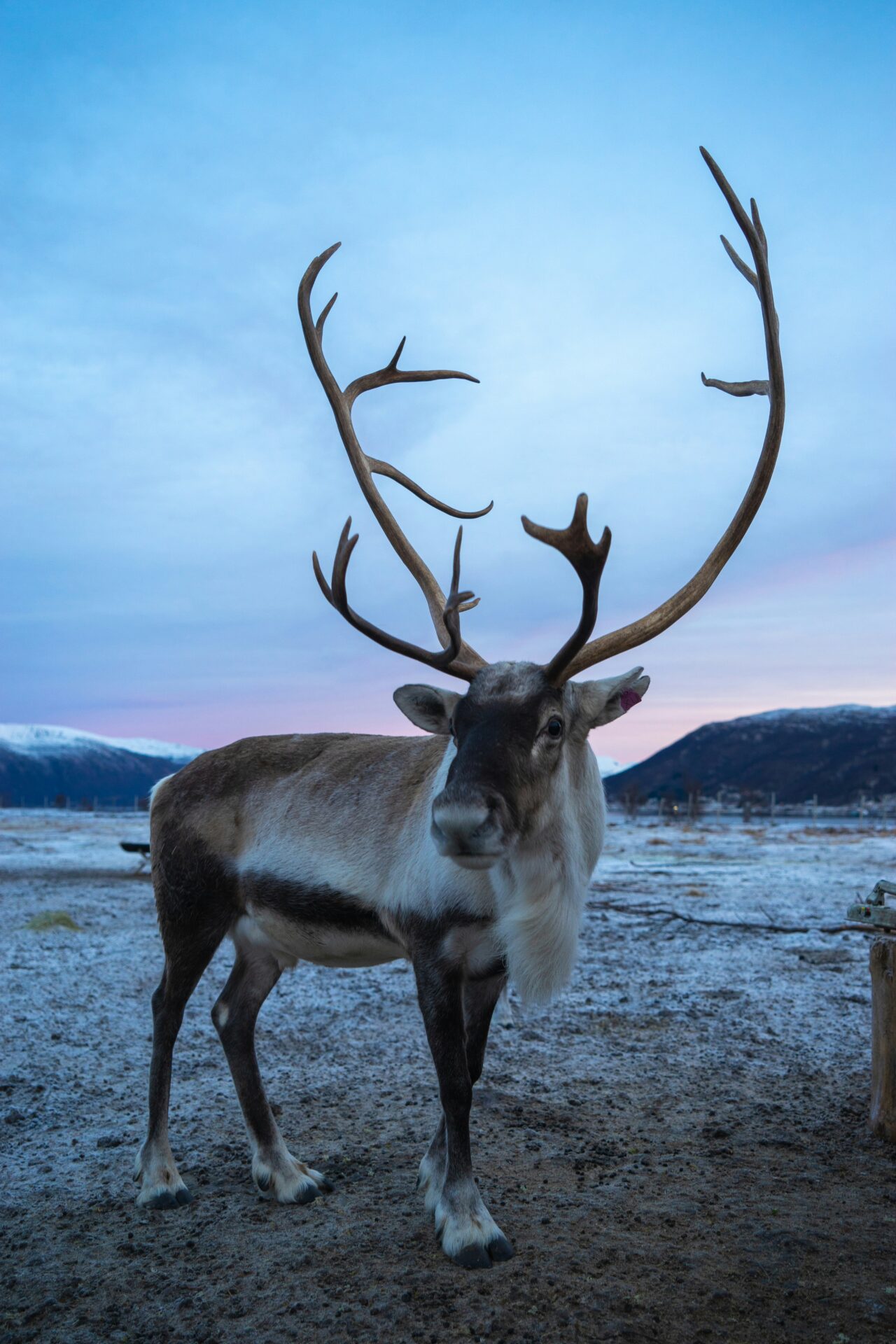
As the name suggests, reindeer are in the deer family and sizeable with the largest males (also known as bucks) measuring up to 130cm at the shoulder, over 2 metres in length and weighing over 200kg. There are currently eight recognised subspecies with variations in size and colouration between the subspecies.
Reindeer (Rangifer tarandus) have a circumpolar distribution, meaning they occur right across the arctic region across Eurasia and North America where they are called Caribou. Living across tundra, woodland and mountains at such high latitudes the environment is harsh; extremely cold weather, long periods of darkness, little vegetation and blizzards all contributing to the difficulties for inhabitants of these regions. Specialist evolutionary adaptations are required for any animal to survive in such an environment.

Adaptations of Reindeer
One such adaptation reindeer have to allow them to survive is fur comprised of extremely dense hollow hair. This hair traps heat extremely well insulating the reindeer in freezing conditions. It also has the benefit of providing buoyancy to reindeer helping them when they cross rivers on their long migrations.
Anyone lucky enough to have met a reindeer in real life will have noticed as they walk, they click. This adaptation allows reindeer to monitor where the other reindeer in the herd are as they migrate in a blizzard or fog when they may not be able to see. The click is generated by tendons clicking over a bone on the back of the foot. This is a passive action that happens with every single step and can accumulate to a loud noise when every reindeer in a herd is walking.
Eyes and Antlers
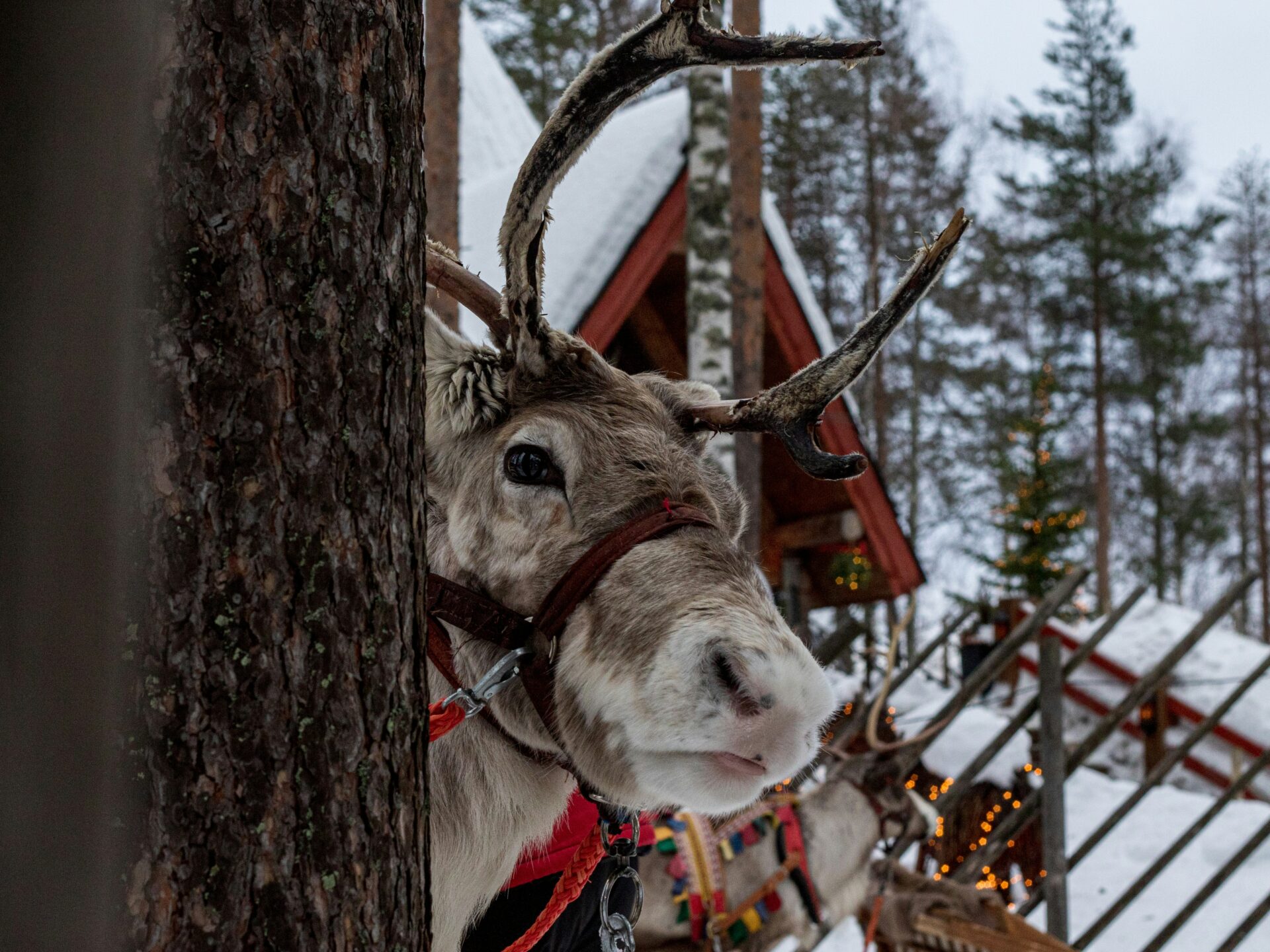
Another highly adapted feature of reindeer is their eyes. In addition to being able to detect UV light and having horizontal pupils, reindeer eyes change colour. Through the summer period reindeer eyes are a golden colour but through the winter period the eyes change to a blue colour before reversing back to gold in the spring. They are the only known mammal with this trait. This adaptation optimises reindeer sight through both the near perpetual darkness of winter and the constant light during the summer seasons.
One of the most noticeable features of reindeer are their large antlers. Unusually for a deer species both males and females grow antlers. Unlike horns, antlers are shed and regrown annually. Antlers are comprised of bone and are one of the fastest growing tissues of any mammal. They require huge amounts of energy both to grow and to carry around during the winter period. Like other deer species, the males require antlers to fight other males during the rutting season, but it is thought that the females require antlers to fight other reindeer for the scarce food resources available during the winter period.
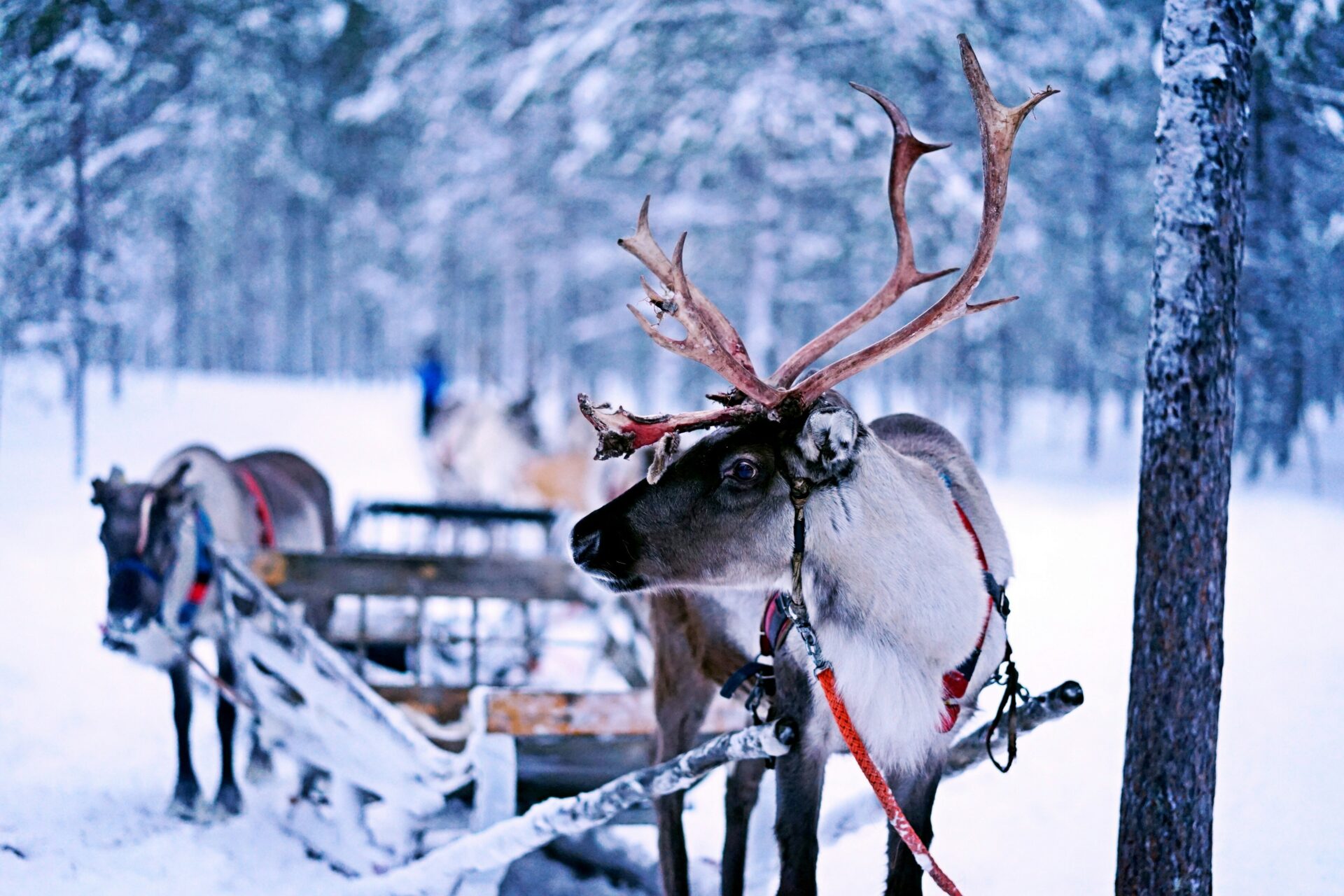
Male reindeer lose their antlers before the Christmas period whilst females retain them until the Spring meaning that the reindeer with antlers traditionally shown pulling Santa’s sleigh are all female, or possibly stags.
Threats to Reindeer
There is some dispute over when reindeer last lived naturally in the UK, but what you may not know is that we actually have a free roaming herd in the Cairngorms today. In 1952 reindeer were introduced into the Cairngorms national park with around 150 now free roaming across the mountainsides.
Reindeer are, however, facing a number of threats. Highly adapted to life in polar regions, they are particularly vulnerable as climate change alters the environments they are so specialised for. Anthropogenic changes, including new fences and roads, are inhibiting reindeers’ ability to migrate over long distances, an essential requirement to survive in a landscape with limited food availability.
So, while most people think of reindeer as magical, flying animals at Christmas, they are an incredible species that are worthy of year-round admiration, not only for their remarkable adaptations, but also for the conservation challenges they face.
Jack Howell, Senior Ecologist