Urban & Residential

Repton Park – Multi-Phase Residential Development

Keystone enabled the Persimmon Homes & Taylor Wimpey Repton Park residential development through expert surveys, licensing, and mitigation for reptiles, bats, dormice and great crested newts.

Persimmon Homes & Taylor Wimpey
2002 - 2025
£600,000
Sharon Bracken & Tas Adcock

In 2002, Persimmon Homes and Taylor Wimpey commissioned Keystone to act as their ecological consultants for Repton Park, a proposed mixed-use development on a 48 hectare brownfield site in Ashford, Kent.

Challenge

  • Keystone was brought in to replace a multi-disciplinary consultancy to resolve ecological planning objections to an outline application, and subsequently progressed the delivery of all ecological aspects of the development once planning permission was granted.
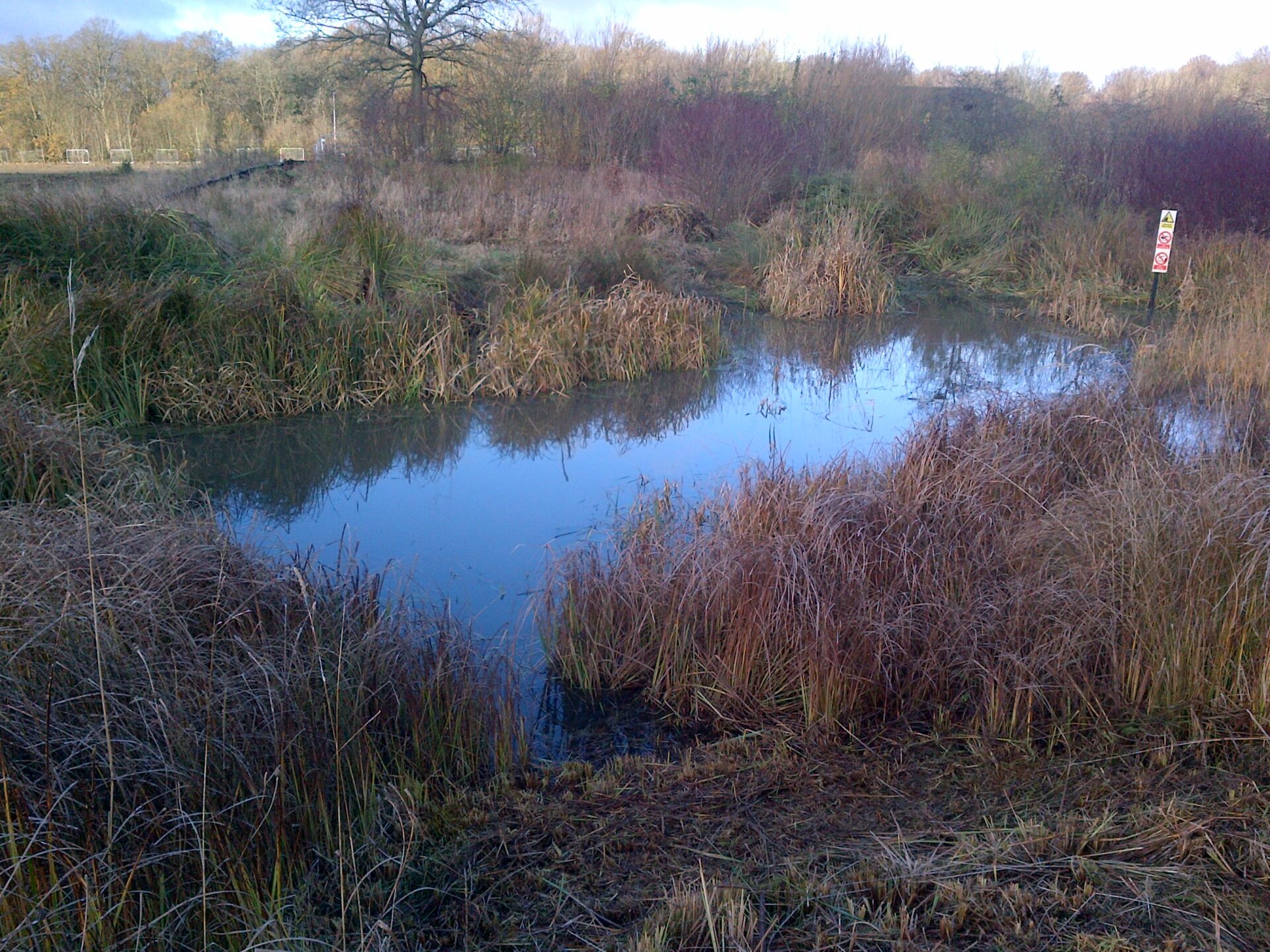
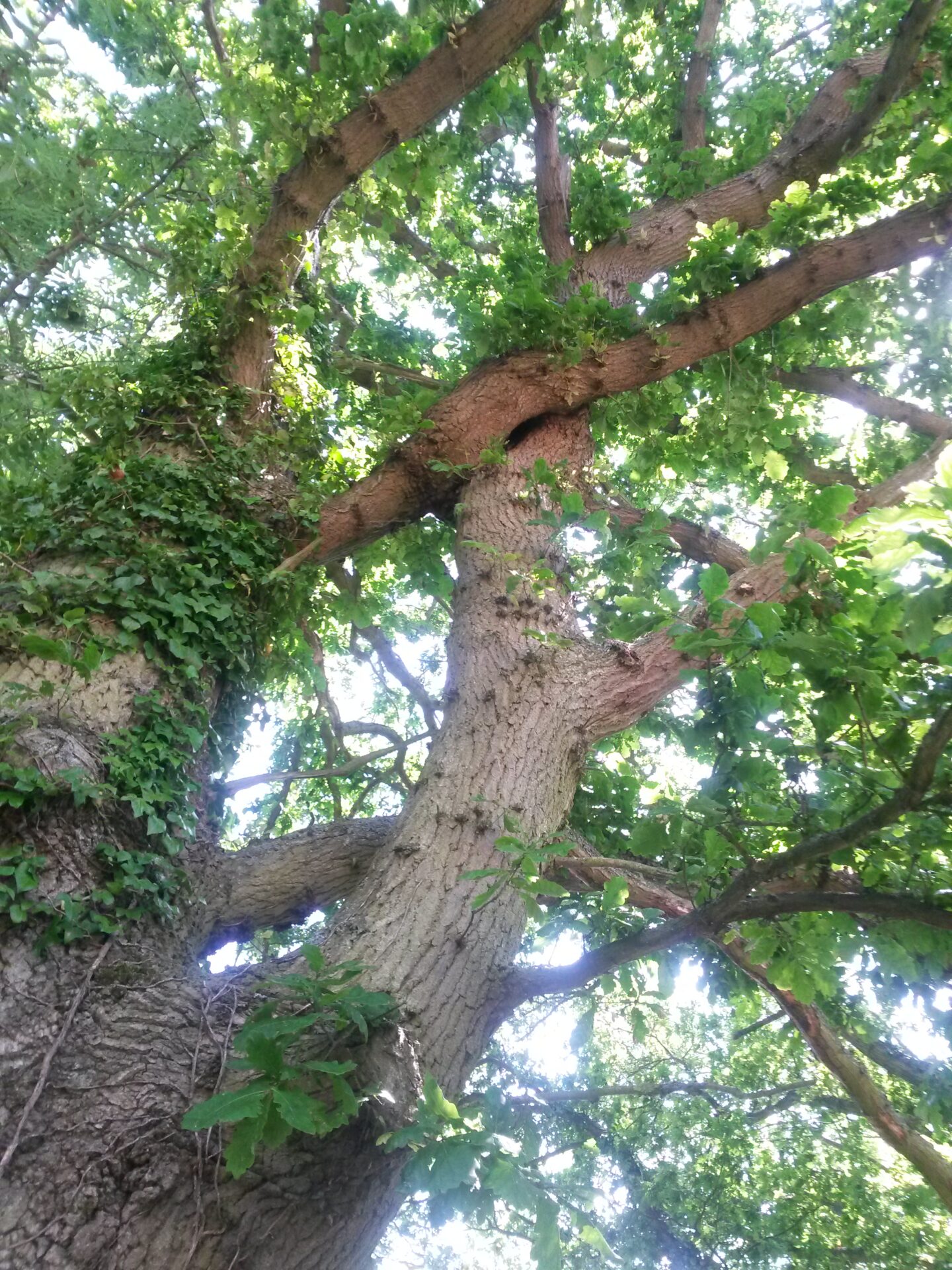
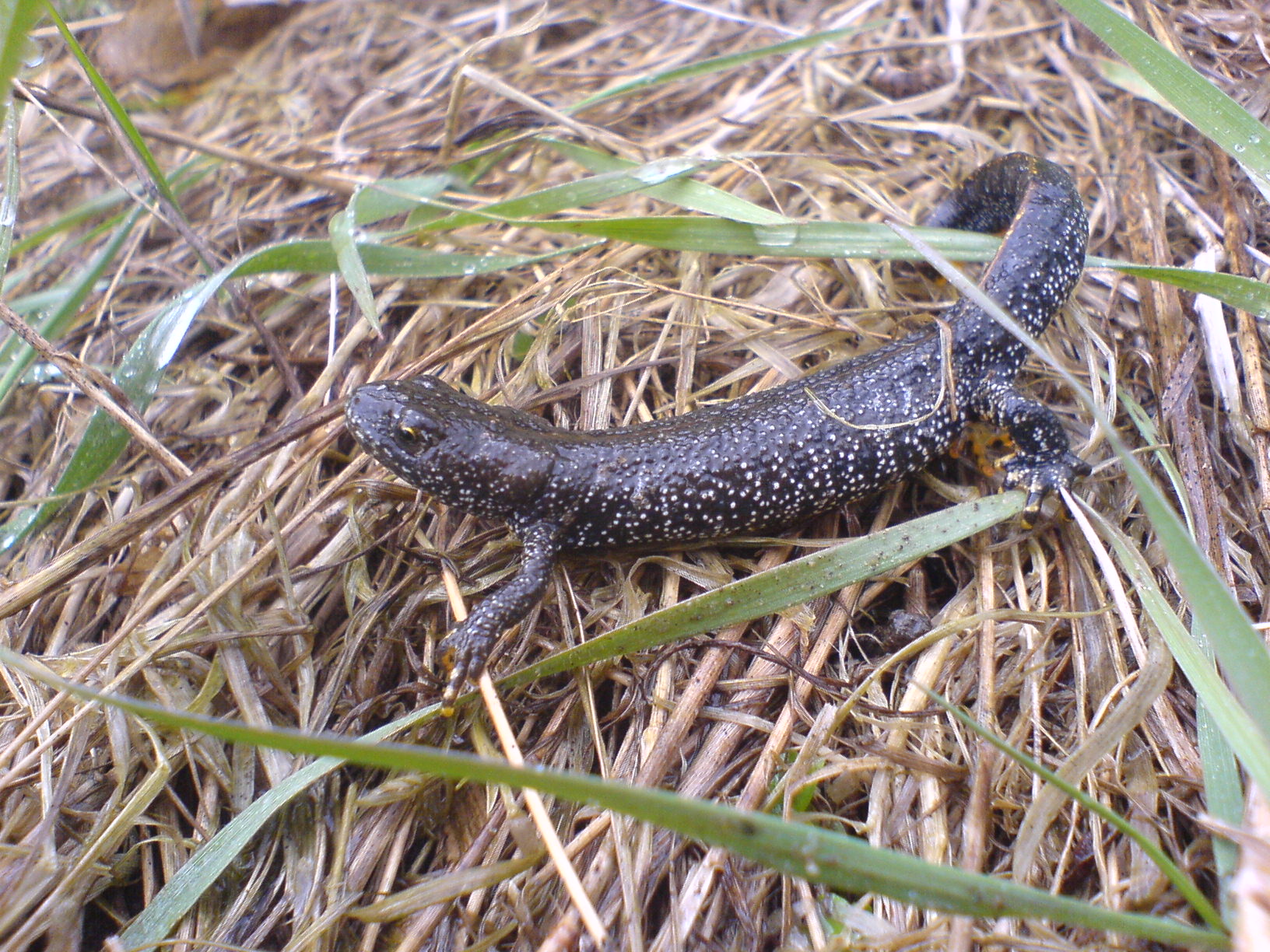
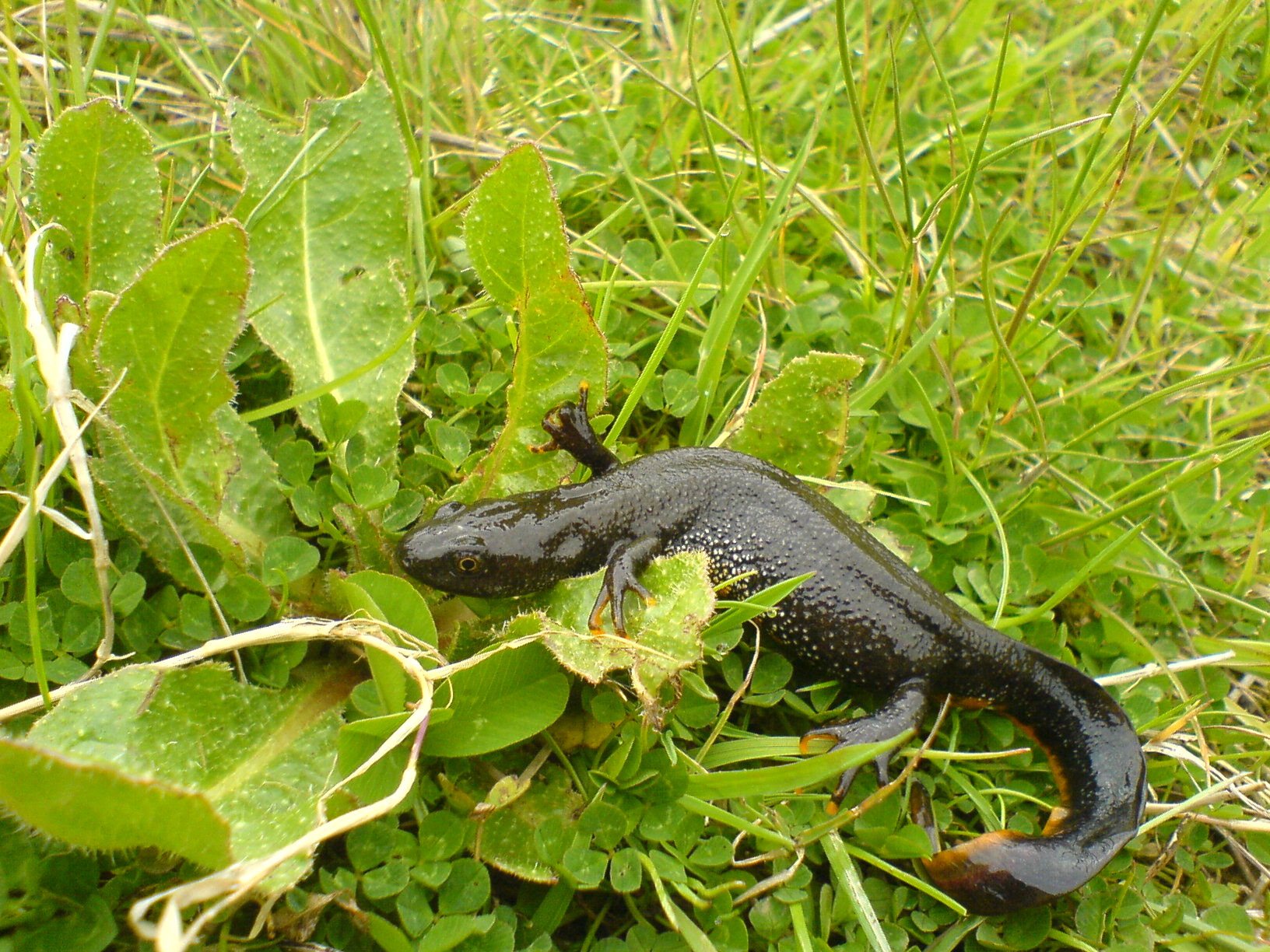
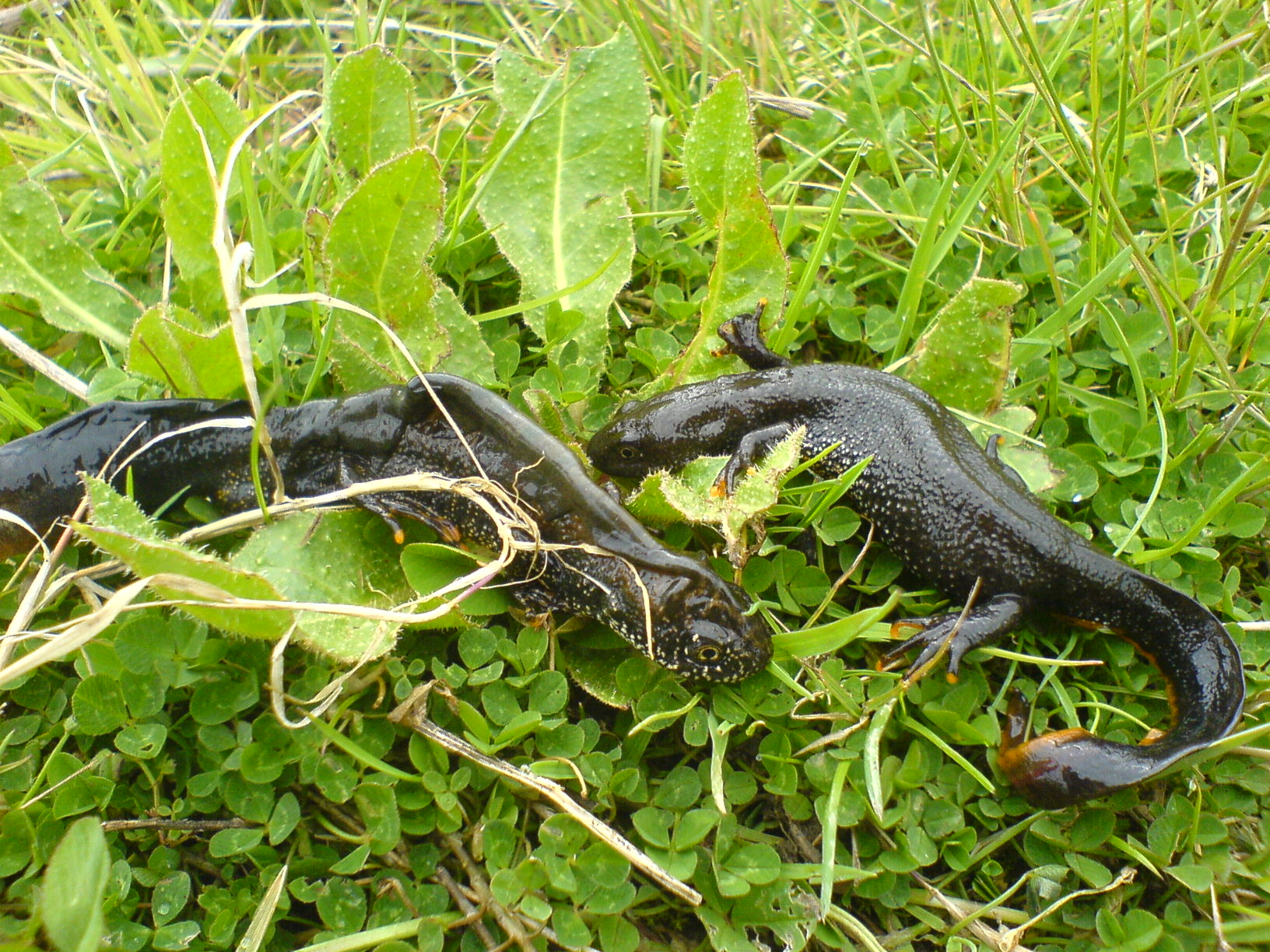
  • Keystone carried out updated surveys which identified exceptional populations of common lizard and slow-worm and a low population of grass snake. There was also a breeding GCN population in several on site ponds, and dormice within woodland and scrub on the fringes of site.
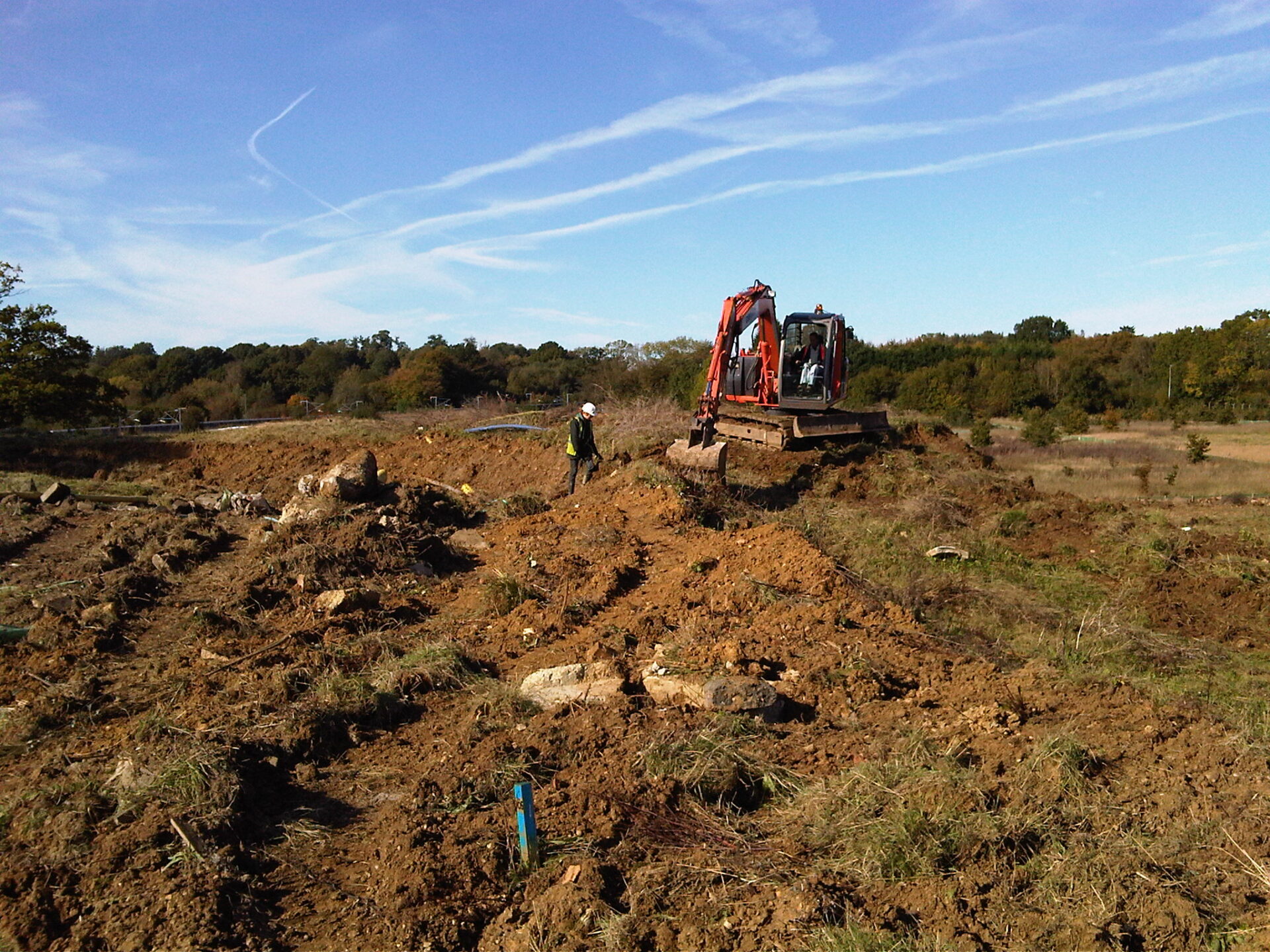
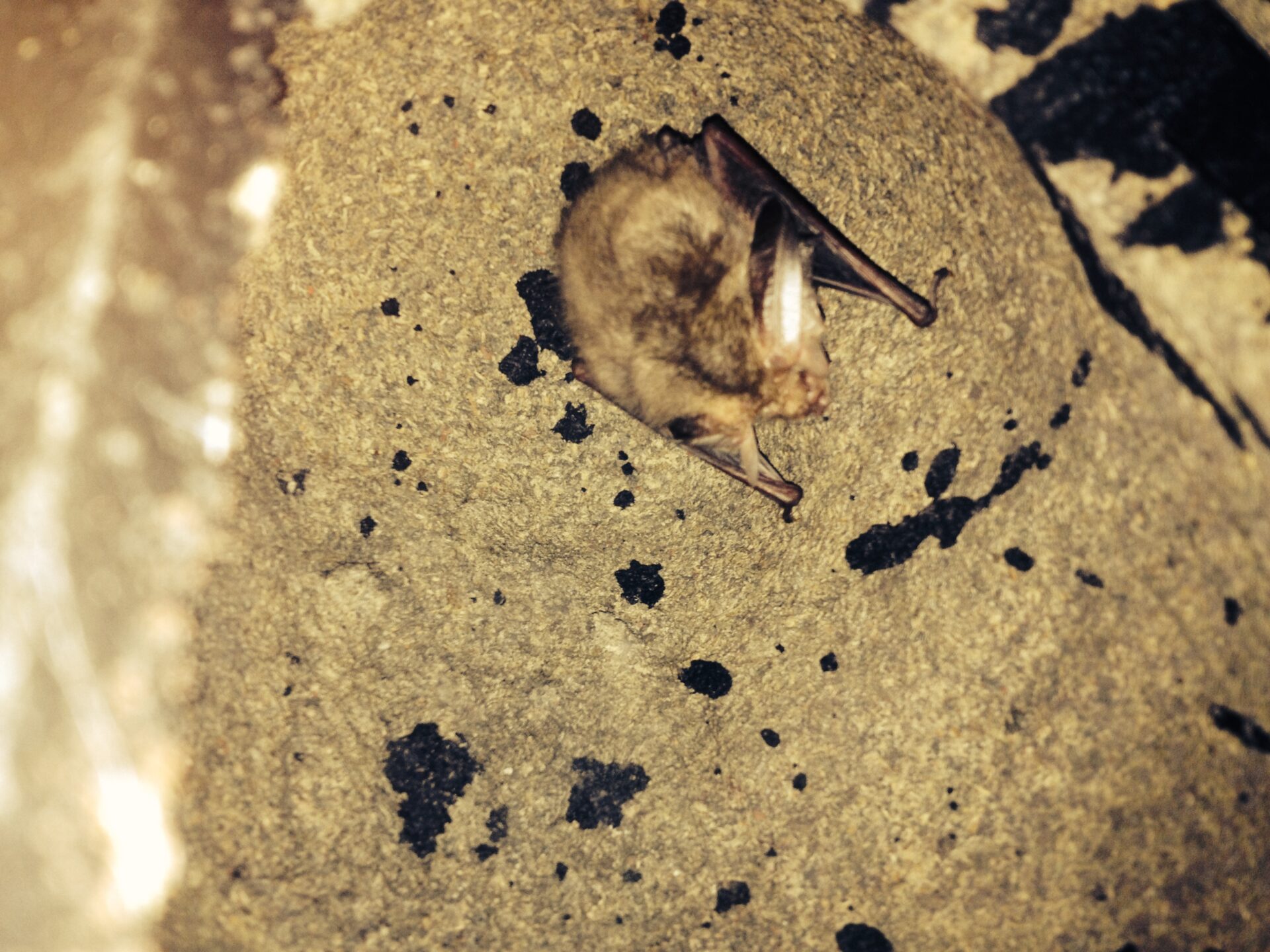
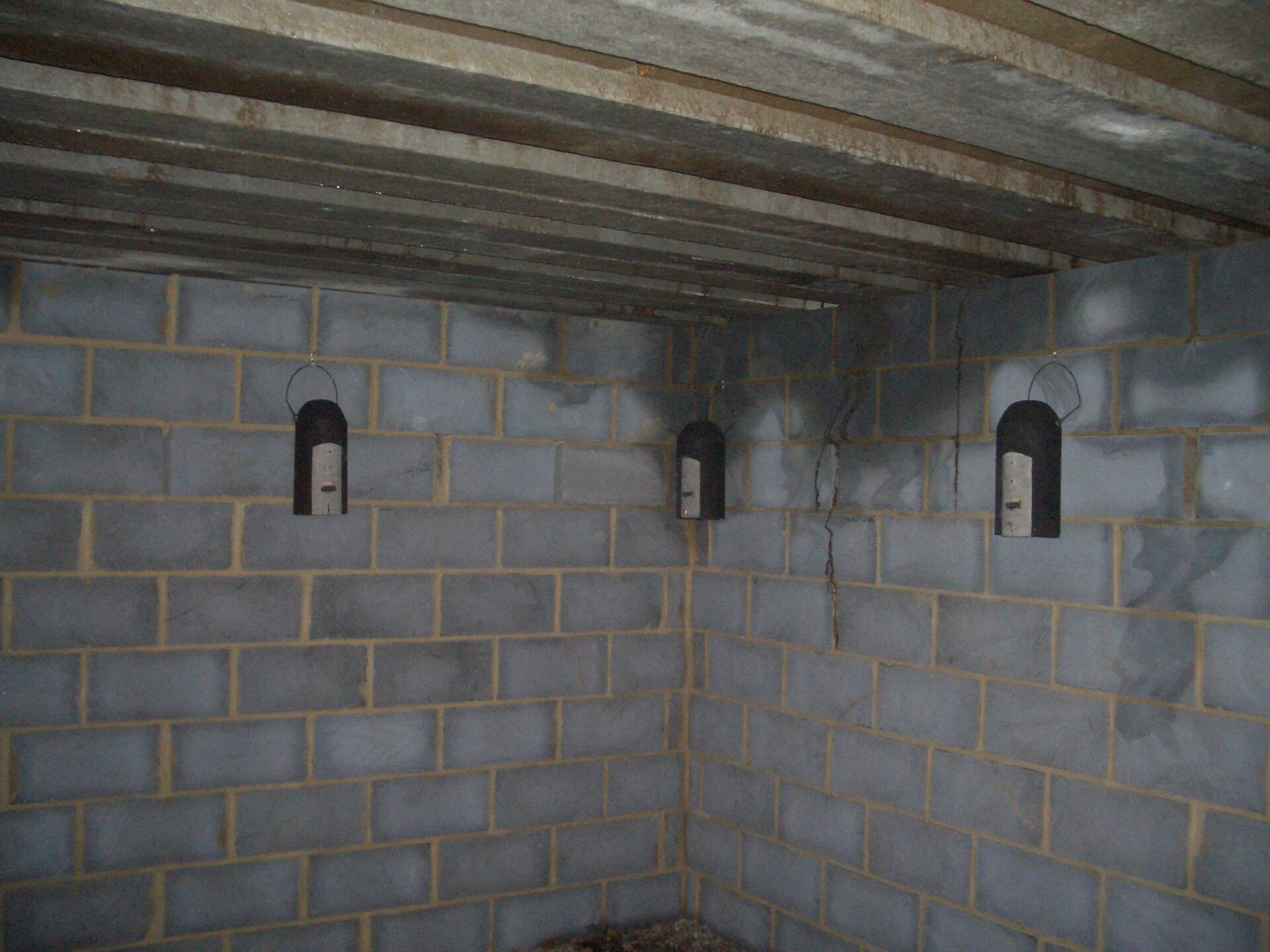
  • Keystone conducted a phased reptile translocation in accordance with the development programme to ensure that each area of the site was clear of reptiles in advance of construction. In total, 3800 reptiles were removed from the site during the translocation exercise. GCN translocations under licence were also undertaken, as well as licenced exclusion of brown long-eared and common pipistrelle bat roosts, and clearance of dormouse habitat under licence.

Approach

  • Upon appointment, Keystone carried out a technical review of all existing ecological reports and identified additional survey effort required to achieve a robust baseline upon which to evaluate impacts. As part of this, through consultation, Keystone obtained Local Planning Authority (LPA) and Natural England approval of the survey and translocation scope.
  • Throughout the project, Keystone attended regular design team meetings and planning meetings, the latter with Ashford Borough Council.
  • Keystone secured European protected species licenses for bats, GCN and dormice, and carried out all mitigation and monitoring.
  • Keystone liaised with the adjacent estate to agree and secure a new area of rotational sweet chestnut coppice as compensatory dormouse habitat.
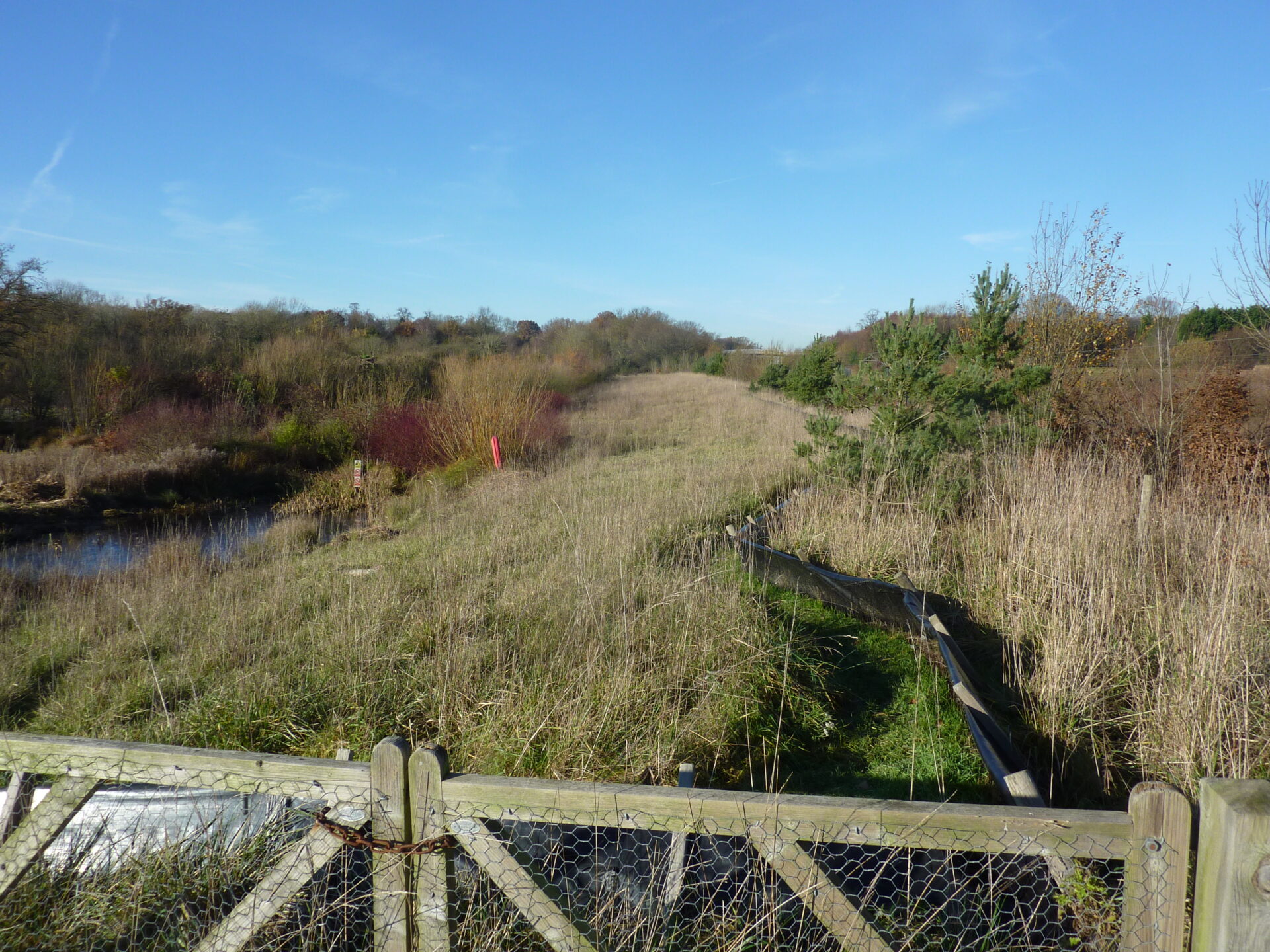
  • We designed a new GCN receptor site (subsequently created by the Keystone Habitats team).
  • Keystone also engaged local community groups for monitoring of the reptile receptor site.

Outcome

  • The LPA withdrew their objections on ecological grounds and granted outline planning consent.
  • All Reserved Matters applications received consent, and development proceeded, with all species licenses having been granted on the outline consent, and constraints dealt with ahead of the build programme.
  • Keystone were widely praised by the scheme’s stakeholders for the Biodiversity Action Plan provided.
  • Over the course of GCN monitoring, GCN numbers in the receptor site soared from a low population to a high population, where it remained through its final years of monitoring ending in 2025.

Related case studies

Urban & Residential
Wichelstowe

The Wichelstowe Development, spanning 320 hectares, is a unique mixed-use community on the outskirts of Swindon. Designed as an evolving hub, Wichelstowe integrates high-quality housing, employment opportunities, and state-of-the-art schools within a landscape that emphasizes accessible green spaces and sustainable living.

Privacy Overview

This website uses cookies so that we can provide you with the best user experience possible. Cookie information is stored in your browser and performs functions such as recognising you when you return to our website and helping our team to understand which sections of the website you find most interesting and useful.