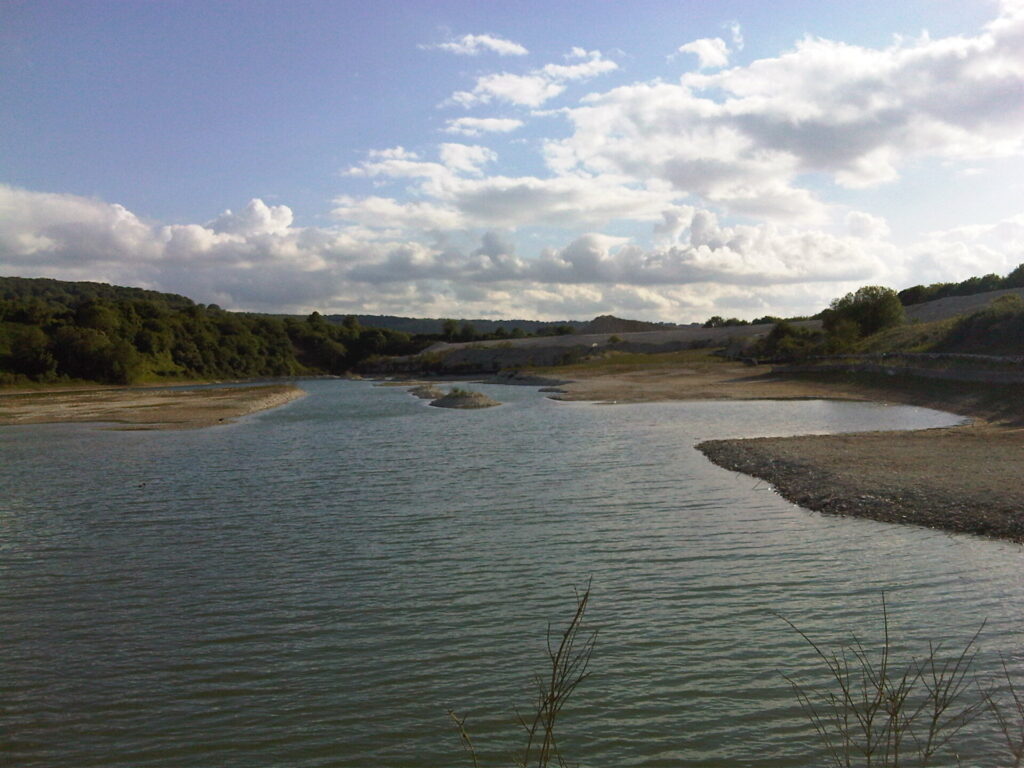
Keystone Ecology were commissioned by Taylor Wimpey to conduct a large-scale multi- species translocation prior to reprofiling works and residential development in the 72-hectare former cement works in Oxfordshire.
Works included obtaining European Protected Species Licenses as well as physical enhancements prior to translocation of a range of reptiles and amphibians.
Subsequent license requirements and ongoing monitoring have enabled a relationship with the site and our original client spanning over 15 years.
Since decommission, the site had been used for a number of activities including filming Hollywood blockbusters and testing of the tunnel boring machine for the Channel Tunnel.
Challenge
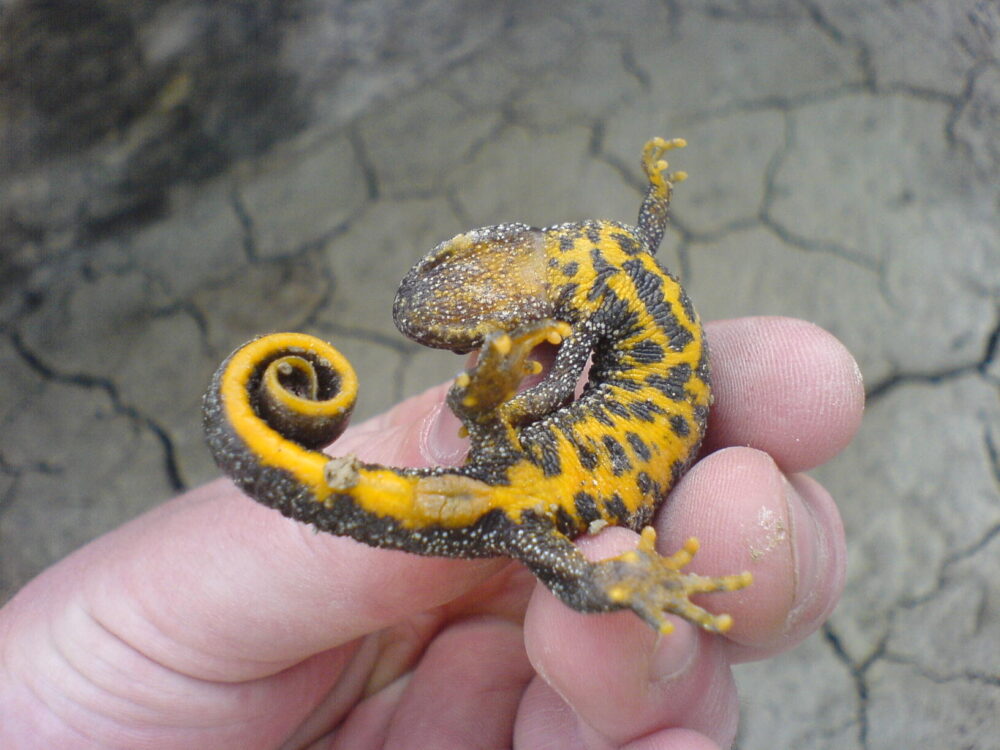
Protected species populations
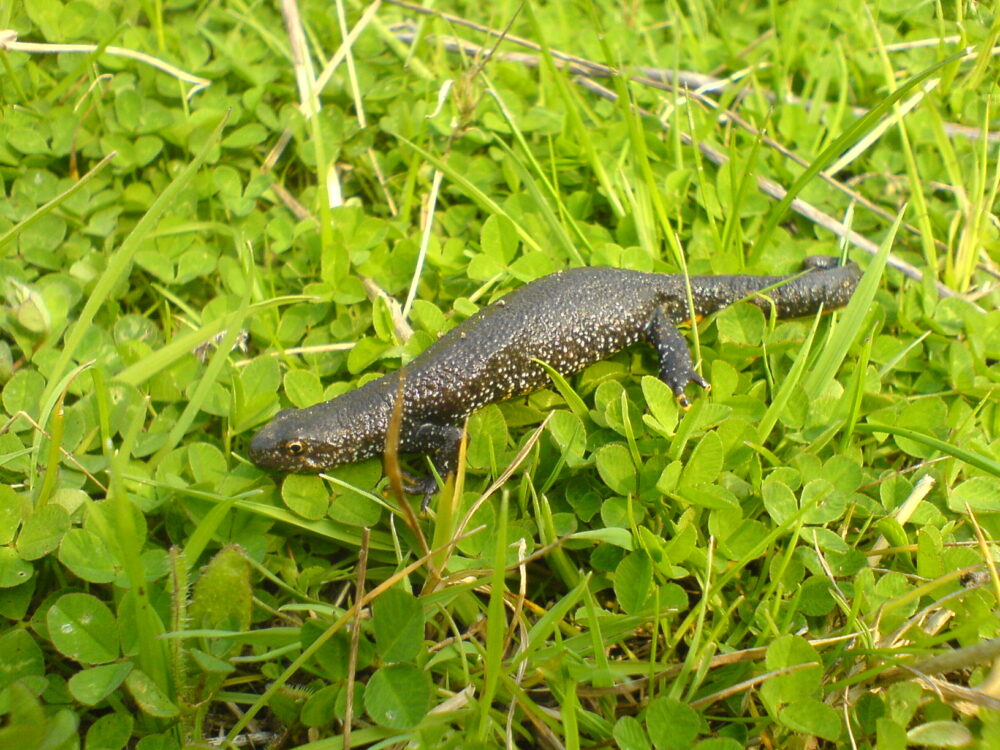
- With significant populations of great crested newt, smooth newt, toad, slow worm, and grass snake across highly challenging terrain, delivering an efficient and effective translocation programme was critical to enabling demolition, re-profiling, and the subsequent development and restoration works.
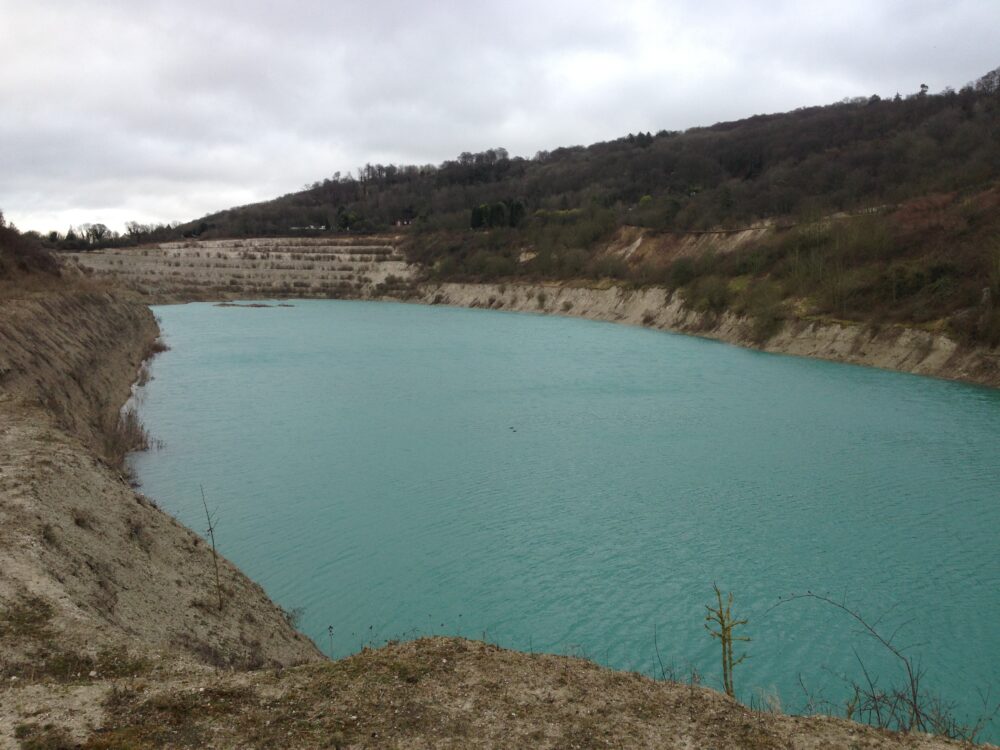
- Intersected by the Chilterns Way footpath and forming part of the Chinnor Chalk Pit SSSI, the site presented a range of constraints, most notably its challenging topography and statutory designation. The careful design and enhancement of suitable receptor areas was critical to the success of the translocation, ensuring populations remained stable during and long after the restoration works were completed.
- Additional protected species, including bats and barn owl, required careful consideration, alongside wintering birds, invasive species management, and the need to safeguard long-term population viability in the context of increased public access.
Approach
From design and planning to implementation and long-term management
- From the outset Keystone engaged regularly and proactively with the client alongside multiple local stakeholders and third parties, including the appointed demolition contractor to ensure seamless delivery and cost efficiencies where possible.
- Given the site’s scale and complexity, it was essential to release areas in a logical, strategic sequence, enabling phased development and re-profiling ahead of an extensive restoration programme. Keystone supported this programme from design and planning through to implementation and long-term management.
- A realistic and pragmatic approach was taken to ensure client expectations and the long term vision for the site could be managed appropriately.
Outcomes
- Complex exclusion and capture fencing plans, totalling over 7km, were designed within accessible areas of site, alongside phased vegetation clearance and targeted destructive searches conducted under ecological supervision. This combination enabled key areas to be cleared in a single translocation season in line with the demolition and reprofiling programme.
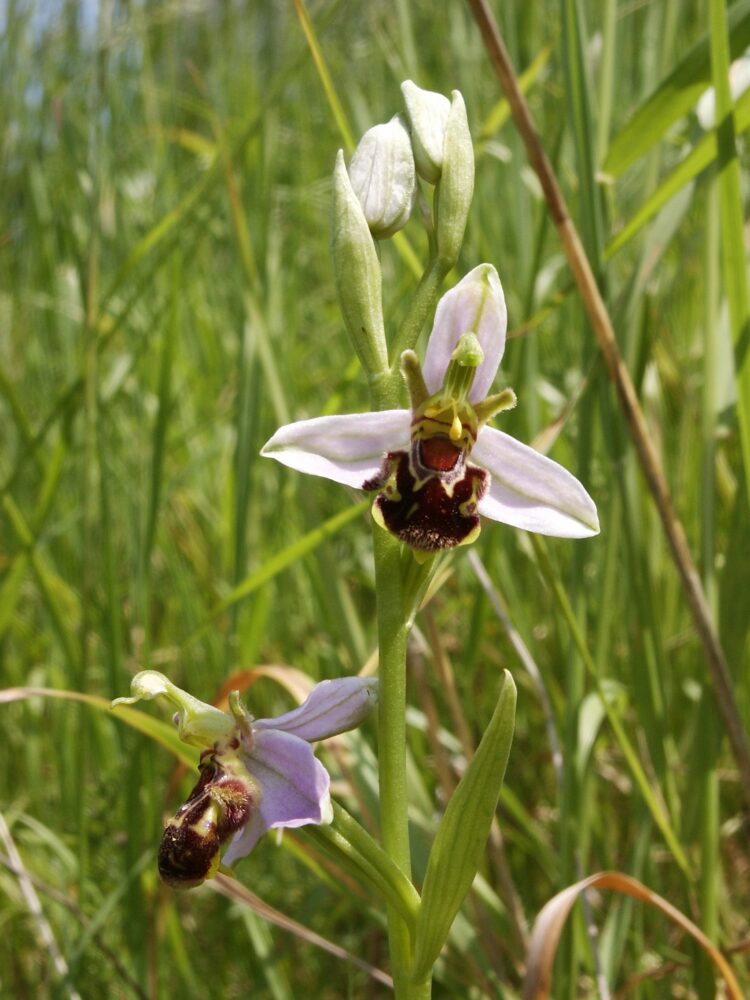
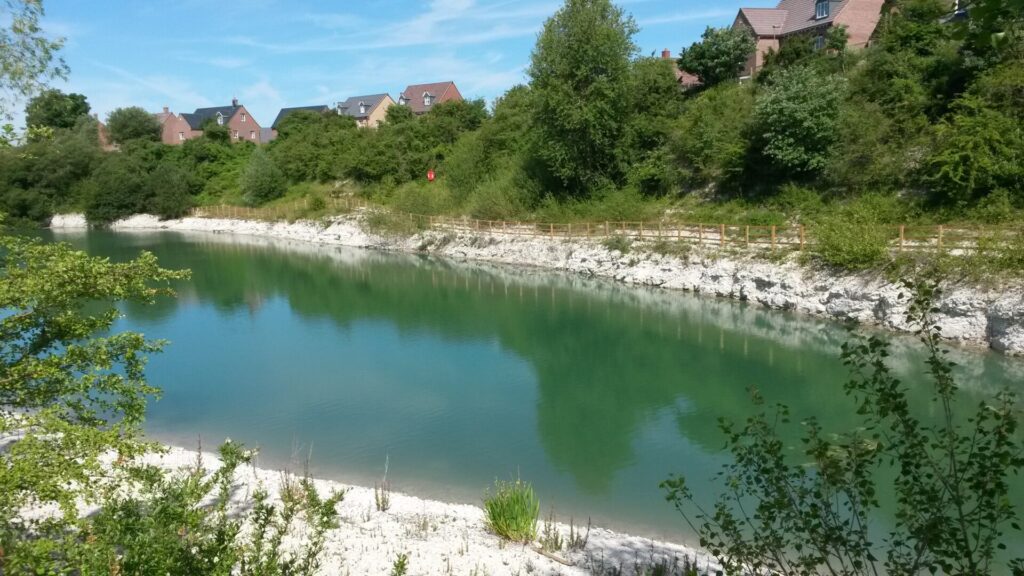
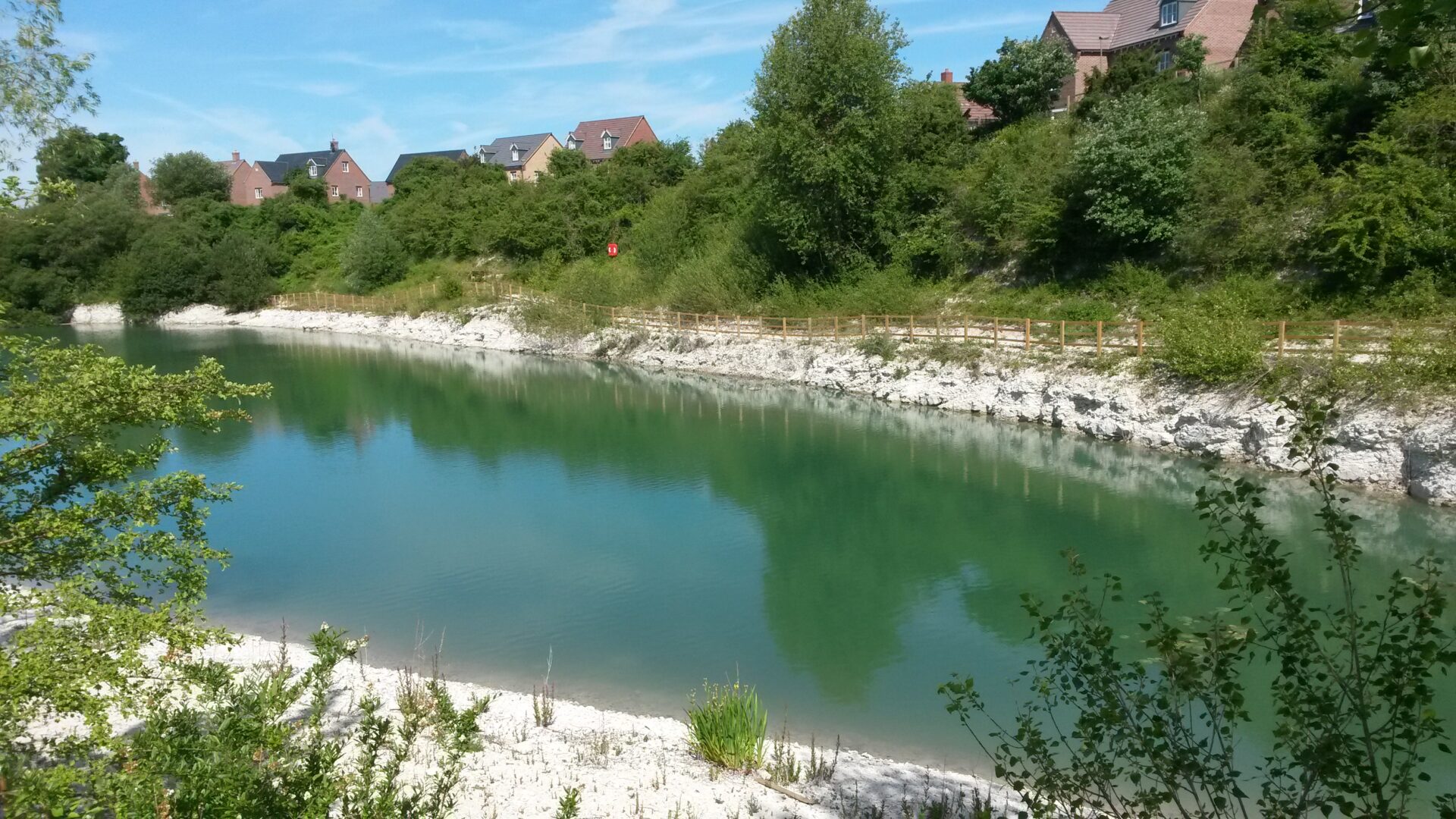
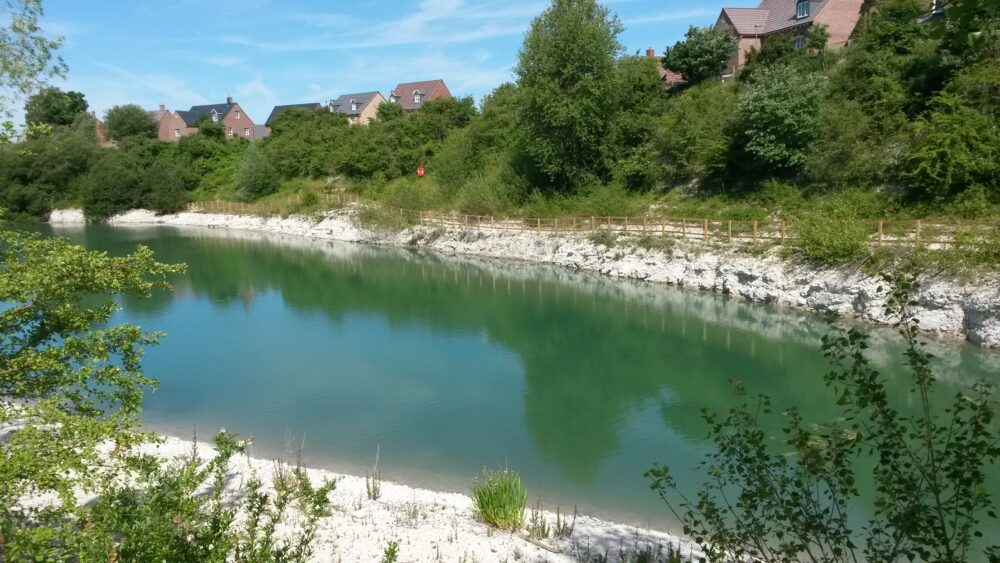
- Receptor sites were carefully selected within areas secured for long-term protection, providing suitable habitat for over 2,000 reptiles and amphibians, alongside a diverse assemblage of orchid species.
- Long term management plans were implemented for retained, enhanced and newly created areas on site, alongside eradication plans for invasive species including Japanese Knotweed.
- Ongoing monitoring continued in line with license requirements 5 years post development. The completed site now provides for its new residents and wildlife with safe and suitable access throughout.