
April is Stress Awareness Month which aims to highlight the causes, impacts, and management of stress, and support individuals into taking meaningful action.
No matter what stage of life, people experience a wide range of pressures beyond work, so workplace stress must be approached with care and understanding. Stress at work is on the rise, with around half of employees reporting that they feel stressed in the workplace, and many more experiencing it to some degree. It can often be the tipping point in determining whether someone feels able to cope or not.
Stress Awareness Month provides an opportunity for us to take proactive steps to support each other, raise awareness and take action before pressures escalate into more serious issues.
In a spirit of openness, three members of our senior leadership team share their personal experiences with stress, hoping their stories offer insight and support to others.

Neil’s story: “I’d been working at the edge of my ability and felt completely unjustified in my emotions. As a middle age, middle class, able bodied, heterosexual male what do I have to complain or feel bad about? The truth is, I was stressed, anxious, depressed, and self-medicating with alcohol. I was staying away with work and realised I needed help. I called the employee assistance line, and it poured out of me. I don’t recall any of the conversation, the person’s name I spoke to or how long I was on the phone for. I do know that when I put the phone down, I was exhausted, hungry and for the first time in a long time I was hopeful. I nervously opened up to colleagues and my line manager who were all very supportive and even shared their struggles too. I know it’s a cliché but that was the first step in my recovery and learning towards better mental health.

You’ll be amazed how many people are in very similar situations and are trying to find their way through it, you are not alone. In my opinion we all need help from time to time and there is nothing at all wrong with asking for help. We have plenty of qualified mental health first aiders at Keystone, we have the Employee Assistance Programme, or you can talk to me. I’m not qualified in any way, but I can share the tips that work for me and point you in the direction of useful resources. If you’re wondering why there’s so much time and money invested in these things the answer is simple. It works.”
Neil Davies
At Keystone, we want to build a healthier, more supportive and resilient environment for everyone in our community. We’re a friendly team, with “the people” consistently highlighted in our annual employee survey as one of the best things about working here!
The impact of stress is not only personal but organisational too, contributing to reduced productivity, increased sick leave, and longer-term mental health challenges. As an Origin Enterprise company, we have a range of support, including an Employee Assistance Programme with 24/7 access to help and advice, initiatives like virtual neurodiversity and menopause cafés, and policies designed to support and protect the wellbeing of our colleagues.

Justine’s story: “I am a people pleaser and a problem solver and it means that I generally say “yes” if I think I can help. But this is not done with me in mind, rather whether I can make the situation better or easier for the other person. Ordinarily this works but when your tank runs on empty suddenly everything that has been manageable before suddenly seems like a mountain to climb.
This happened to me in the latter part of 2025. My personal life was requiring a lot of my capacity and my role at work was demanding and developing at high speed with lots of changes and challenges. Previously I have thrived in these times but not on this occasion. As much as we might think we can separate work from home life, we are a whole person and therefore everything that we are going through has an impact on how much fuel we have in the tank. It turns out my tank was totally and utterly empty.

I suddenly found I had no ability to handle the pressure I was feeling. I felt drained, I was not sleeping well, my brain would not switch off and I lost total confidence in my ability to carry out my role, even though I have been doing it for many years.
Time with my friends and family are normally my way to recharge but I found myself socialising less and therefore feeling increasingly fragile and emotional.
The Christmas holiday was a welcome sight and could not have come at a better time. A total break and time away in the sunshine helped me reset and gave me time to reflect. I can see now that I wasn’t failing, I was just taking on too much on behalf of others at the detriment of my own state of mind.
Time now to take action, look out for the warning signs much earlier so that I can take a different route next time!”
Justine Carver
Joe’s story: “From someone who has always considered themself to be in control, the question for me is what defines stress and how do we measure it? When is there too much? With an expectation that it will always be there to some degree, how do we control it? Is it stress? Is it pressure? Without the drive how do I press on? When & how do I recognise the balance has shifted?
In a position of responsibility is there ever a point we are not in a challenging situation, we are not a little tense or a little worried? It comes with the territory. What is the metric and when do you conclude that is has gone too far, when has stress officially kicked in?

The conclusion I came to was that I did not know, I perhaps did not want to know. The most important piece for me was that others were there to help me see it. Did they know? Perhaps not, but did they want to know?
Absolutely.
The next step was to accept it, whether you like it or not, you have not failed, it is not a shortfall, it is OK.
People were there, support was there and the positive outcome is now there. “
Joe Bradshaw
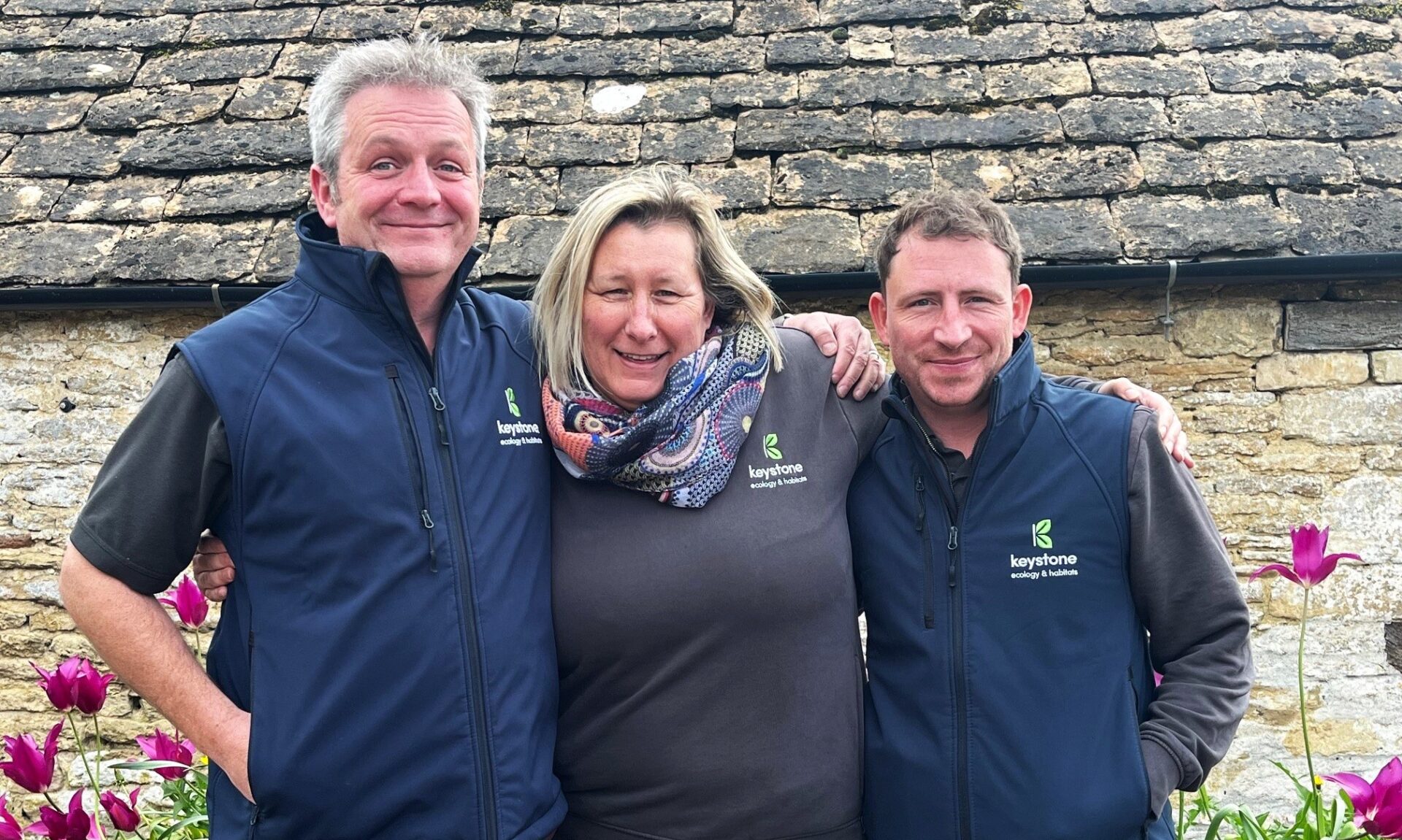
This April, we’re focusing on the small, everyday actions; taking time to check in with colleagues, encouraging lunch away from our desks in favour of a walk, and making sure our ecologists feel able to speak up when fatigue sets in as the busy survey season begins.
If you’re struggling, or if you think someone else is struggling, do try and reach out.
There’s always someone who can help.